

Bay Area GI Care

Rectal Pain & Bleeding

Understanding Rectal Problems

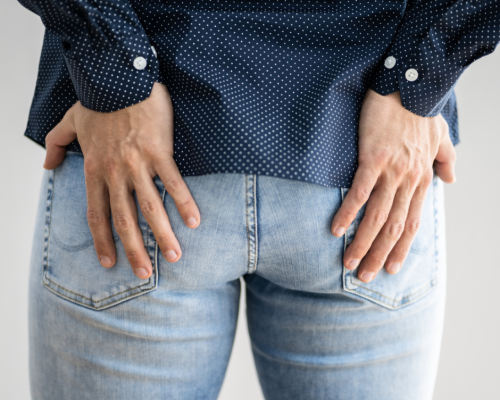
The rectum, the last segment of the digestive tract, plays a crucial role in maintaining our digestive health. Despite the prevalence of rectal problems, a significant number of adults hesitate to seek medical advice due to embarrassment. This article aims to provide a thorough understanding of common rectal issues, emphasizing the importance of early recognition and proper diagnosis.

Hemorrhoids: Understanding Veins in Distress

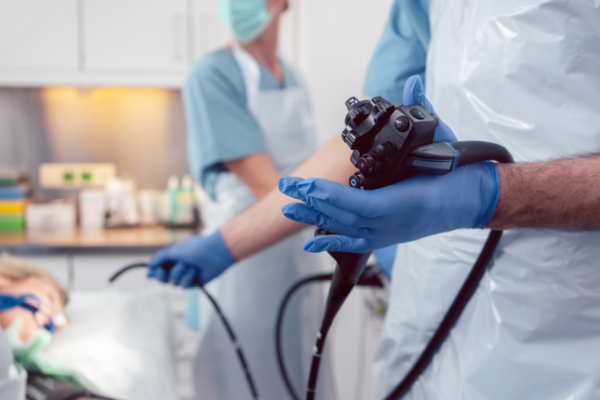
Hemorrhoids, akin to varicose veins in the legs, can become swollen or stretched. They manifest in two types: external, visible under the skin, and internal, originating inside the rectum. The development of hemorrhoids is often linked to increased pressure during bowel movements, pregnancy, constipation, diarrhea, genetic factors, and aging. Diagnosis involves visual examination, rectal examination, and sometimes anoscopy or sigmoidoscopy. Medical treatment focuses on softening bowel movements, topical creams, sitz baths, and dietary adjustments.

24
2

Endoscopic & Surgical Approaches for Hemorrhoids

Various procedures exist for treating hemorrhoids. These include banding (placing a rubber band to induce strangulation and scarring), sclerotherapy (injection of a chemical solution to shrink hemorrhoids), infrared coagulation (using a device to destroy internal hemorrhoids), radiofrequency ablation (employing high-intensity sound waves to close off hemorrhoids), and hemorrhoidectomy (surgical removal of hemorrhoid veins, typically requiring hospitalization).

23

Anal Fissure: A Painful Tear

An anal fissure is a common condition involving a tear in the lining of the anal canal. Diagnosis is achieved through a painful digital examination, external inspection, or anoscopy. Treatment involves prevention through a high-fiber diet, sitz baths, stool softeners, and topical creams. Surgical intervention may be necessary if symptoms persist.

Anal Abscess/Fistula: Pus and Tunnels

Anal abscesses, pus-filled cavities, and fistulas, connections or tunnels between the anal gland and buttocks, present with symptoms such as pain, swelling, and fever for abscesses and drainage for fistulas. Medical options exist for abscesses caused by underlying conditions like Crohn’s disease, while surgical options involve cutting the sphincter muscle.

Fecal Incontinence: Unintended Stool Loss

Fecal incontinence, characterized by the accidental loss of stool, has various causes. Evaluation methods include anorectal examination, digital examination, anal manometry, X-rays, and ultrasound. Treatment options range from dietary modification and medicines to biofeedback and surgery, depending on the underlying cause.

BE_Header

Pruritus Ani: Itching Woes

Pruritus ani, itching around the anal area often aggravated by excessive cleaning, can have causes such as excessive cleaning, sweating, certain beverages, and rarely infections or skin conditions. Treatment involves avoiding irritating soaps, blotting the area gently, eliminating irritating foods, and considering protective pastes.

In conclusion, understanding and addressing rectal problems promptly can lead to effective management and improved quality of life. It is crucial to overcome the stigma associated with these issues and prioritize one’s health. Always consult a healthcare professional for an accurate diagnosis and tailored treatment plans.