
Pancreatitis
WHAT IS Pancreatitis?
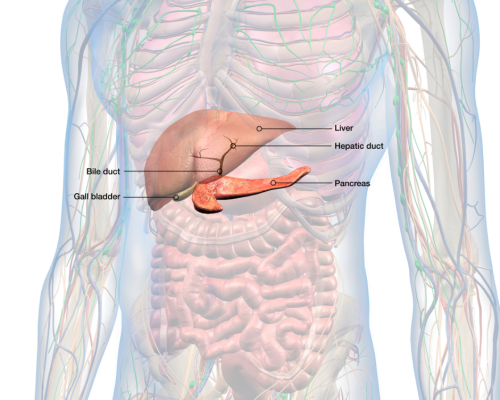
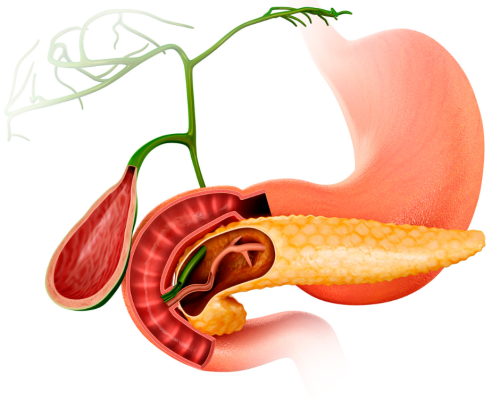
The pancreas, a relatively inconspicuous organ nestled behind the stomach, assumes a pivotal role in our physiological equilibrium. Often overshadowed by its silent function, the pancreas becomes the focus when anomalies arise, leading to conditions such as pancreatitis, pancreatic cysts, or pancreatic cancer.
The Pancreas: Architect of Digestion and Blood Sugar Regulation
At the crossroads of digestion and metabolic control, the pancreas orchestrates the secretion of enzymes vital for nutrient breakdown and hormones like insulin, crucial in regulating blood sugar levels. Understanding the dual nature of this organ lays the groundwork for comprehending the disruptions that manifest as pancreatitis.
Acute Pancreatitis
Acute pancreatitis, marked by sudden inflammation, manifests in diverse etiologies, including gallstones, alcohol abuse, and various metabolic factors. This section outlines the diagnostic criteria, emphasizing the amalgamation of symptoms, physical examination, and laboratory tests. Imaging studies such as computed tomography (CT) scans serve as crucial tools for precise diagnosis.

Symptoms of Acute Pancreatitis
The symptoms of acute pancreatitis, a painful ordeal marked by abdominal distress, nausea, and vomiting, demand prompt attention. This section delineates the characteristic symptoms, facilitating early identification and intervention.
Chronic Pancreatitis: Navigating Irreversible Damage
Chronic pancreatitis, a sequel to ongoing inflammation, heralds irreversible damage, impacting digestion and blood sugar control. Recognizing the symptoms, including chronic abdominal pain, steatorrhea, and weight loss, becomes paramount in managing this persistent condition. Furthermore, the inextricable link between chronic pancreatitis and pancreatic cancer warrants regular screenings.
Treatment Strategies
This section elucidates the distinct treatment approaches for acute and chronic pancreatitis. Hospital admission, pain management, nutritional interventions, and, in severe cases, surgical interventions form the crux of acute pancreatitis management. Chronic pancreatitis, on the other hand, necessitates a multifaceted approach, encompassing pain relief, enzyme supplementation, and lifestyle modifications such as abstinence from alcohol and tobacco.
In conclusion, unraveling the complexities of pancreatitis provides a roadmap for both patients and healthcare practitioners. Timely intervention, coupled with comprehensive lifestyle adjustments, emerges as the linchpin in mitigating the impact of pancreatitis and preventing its recurrence. Understanding the nuances of this intricate interplay between organ, dysfunction, and treatment arms individuals with the knowledge needed to navigate the challenges posed by pancreatitis.