


Bay Area GI Care

Microscopic Colitis

Understanding Microscopic Colitis

Microscopic colitis, though lesser-known, is a significant gastrointestinal condition that warrants attention and understanding. This article delves into the key aspects of microscopic colitis, providing a comprehensive overview for those seeking insights into this condition.

Definition & Diagnosis

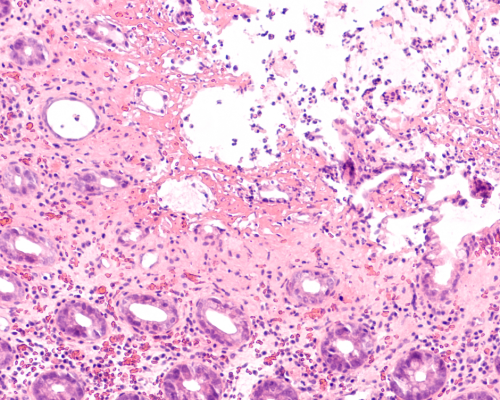
Microscopic colitis is characterized by chronic, watery diarrhea, and inflammation of the colon mucosa that can only be identified through microscopic examination. The diagnosis involves analyzing tissue samples obtained through colonoscopy or sigmoidoscopy. A thorough understanding of the diagnostic process is essential for healthcare practitioners and patients alike.

There are two primary types of microscopic colitis: collagenous colitis and lymphocytic colitis. Collagenous colitis is marked by a thickened band of collagen in the colon lining, while lymphocytic colitis is distinguished by an increased number of lymphocytes in the mucosa. Recognizing these distinctions is pivotal in tailoring treatment approaches to individual patients.

2
1

Clinical Presentation

Patients with microscopic colitis often present with chronic diarrhea, abdominal pain, and weight loss. While the symptoms may overlap with other gastrointestinal disorders, understanding the unique clinical presentation of microscopic colitis is crucial for accurate diagnosis and prompt intervention.

23

Treatment Strategies

Management of microscopic colitis involves a combination of lifestyle modifications and pharmacological interventions. Medications such as budesonide have shown efficacy in controlling inflammation and providing symptomatic relief. Awareness of the available treatment options empowers both healthcare professionals and patients in navigating the complexities of managing this condition.

Prognosis and Future Directions

Microscopic colitis is generally considered a benign condition; however, its impact on an individual’s quality of life should not be underestimated. Exploring the long-term prognosis and potential advancements in research opens avenues for enhanced patient care and improved outcomes.

In conclusion, understanding microscopic colitis requires a multifaceted approach that encompasses diagnosis, classification, clinical presentation, treatment strategies, and future considerations. This article serves as a primer for healthcare professionals and individuals seeking comprehensive insights into this intriguing yet often overlooked gastrointestinal condition. Through continued research and awareness, we can better navigate the nuances of microscopic colitis and offer optimized care to those affected.