


Hemorrhoids
Understanding Hemorrhoids
The rectum, the final portion of the colon, serves as the conduit for expelling stool through the anus. While ailments in this region are prevalent, societal discomfort often inhibits open discussions with healthcare providers. Recognizing symptoms like bleeding, pain, and itching is crucial, prompting the need for professional consultation.
Decoding Hemorrhoids
Hemorrhoids, engorged blood vessels in the rectum or anal canal, manifest through symptoms such as rectal bleeding. Surprisingly common, with almost half of Americans experiencing them by age 50, these conditions often go unreported. External hemorrhoids, discernible as protrusions near the anus, may cause pain when swollen. Conversely, internal hemorrhoids, situated inside the rectum, can occasionally protrude.
Symptoms and Causes
While external hemorrhoids may remain asymptomatic, internal ones might lead to painless rectal bleeding. Straining during bowel movements, stemming from conditions like constipation or diarrhea, can contribute to hemorrhoid development. Pregnancy and heavy lifting, increasing abdominal pressure, also elevate the risk.

Diagnosis and Treatment
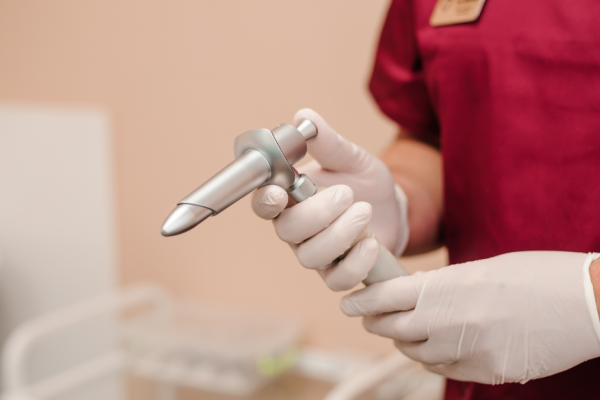
Prompt diagnosis relies on attentive examination. External hemorrhoids are observable during an anal examination, while internal ones may necessitate tools like a sigmoidoscope or anoscope. Initial treatment involves lifestyle adjustments, including adequate fluid intake, fiber supplements, and stool softeners. Soaking in a warm bath or using over-the-counter creams often proves effective. For persistent cases, medical interventions range from rubber band ligation to surgical procedures. These approaches aim to alleviate discomfort and rectify recurrent issues.