


Bay Area GI Care

Gall Bladder Disorders

Understanding Gallbladder Disorders

In the intricate realm of gastrointestinal health, the gallbladder assumes a pivotal role in the digestion process. This blog post endeavors to unravel the complexities of gallbladder disorders, providing insights into their causes, symptoms, and potential treatment modalities.

Common Gallbladder Disorders

Gallbladder disorders manifest in a spectrum of conditions, each presenting distinctive challenges. Predominantly, gallstones, crystallized bile components causing obstruction and discomfort, stand as the most prevalent disorder. Concurrently, inflammation of the gallbladder (cholecystitis) and biliary dyskinesia, characterized by impaired gallbladder contraction, constitute commonly encountered issues.

1
2

Recognizing Symptoms

Timely intervention hinges on heightened awareness of symptoms. Patients with gallbladder disorders typically experience abdominal pain, especially postprandial pain following high-fat meals, along with nausea, vomiting, and in severe cases, jaundice. It is imperative to recognize that symptoms may vary, necessitating professional evaluation for an accurate diagnosis.

3

Diagnostic Modalities

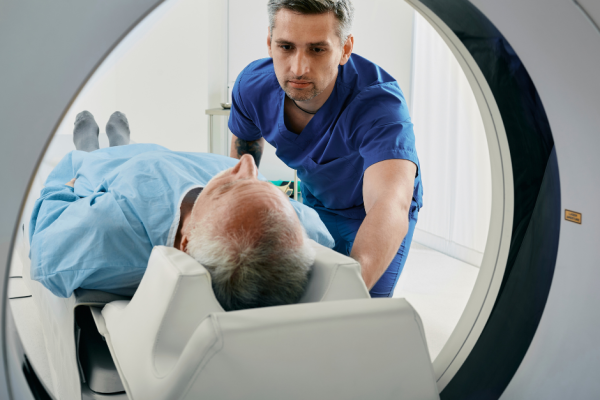
The cornerstone of effective management lies in accurate diagnosis. Utilizing advanced diagnostic modalities such as ultrasound, CT scans, and HIDA scans empowers clinicians to visualize the gallbladder, identifying abnormalities. Precision in understanding the disorder's nature is crucial for tailoring an appropriate treatment plan.

Treatment Approaches

Gallbladder disorder management spans from lifestyle adjustments to surgical interventions. Dietary modifications, including a low-fat diet, often suffice to manage symptoms. Surgical removal of the gallbladder (cholecystectomy) becomes a consideration when conservative measures prove inadequate. This decision is individualized, considering symptom severity and overall patient health.

Gallbladder disorders present formidable challenges to digestive health, demanding a comprehensive understanding for effective management. This exploration of anatomy, disorders, symptoms, diagnostics, and treatments seeks to empower individuals with knowledge, fostering informed discussions with healthcare providers. As the field of gastroenterology evolves, staying abreast of advancements is pivotal for digestive well-being.