
Diverticular Disease
Diverticulosis and Diverticulitis
Diverticulosis and diverticulitis are gastrointestinal conditions that demand our attention, particularly as they become more prevalent, especially among the aging population. In this comprehensive overview, we delve into the intricacies of these conditions, exploring their definitions, causes, symptoms, diagnosis, prevention, complications, and treatment.
Diverticulosis Overview
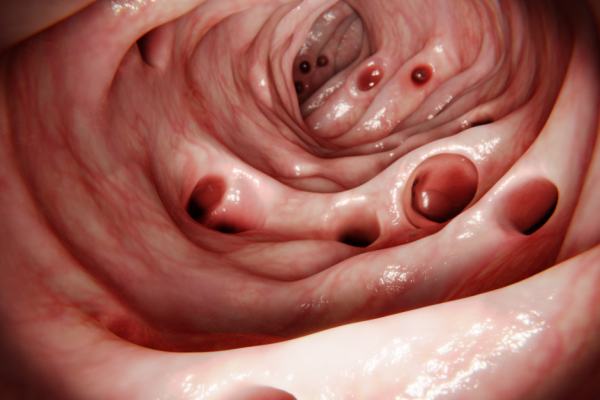
Diverticulosis is a prevalent condition characterized by the formation of small out-pouchings, known as diverticula, in the intestinal wall. These pouches, akin to “pot-holes” in the lining, are most commonly found on the left side of the large intestine, particularly in the descending and sigmoid colon. While the exact cause remains unclear, factors such as muscle spasms, genetic predisposition, and potential links to dietary fiber have been suggested.
Diverticulosis is notably common among older individuals, with a higher prevalence in those over the age of 60. Conversely, it is relatively uncommon in individuals under the age of 30.

Causes and Contributing Factors
The exact cause of diverticulosis remains elusive. Some theories propose that increased pressure in the colon, stemming from muscle spasms or straining, may lead to the formation of diverticula at weakened points in the colon wall. A genetic predisposition is also evident, implying a higher likelihood of developing diverticulosis if close family members have the condition. The role of dietary fiber in preventing or exacerbating diverticulosis remains a topic of debate.
Identifying Diverticulosis
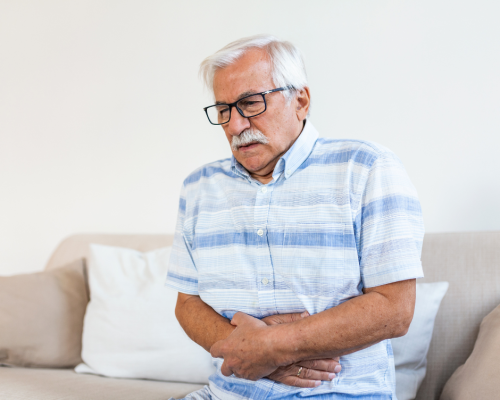
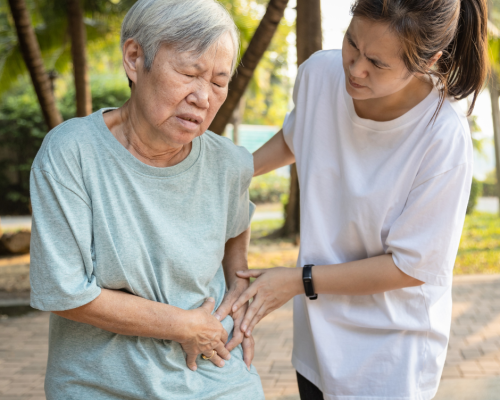
While many individuals with diverticulosis are asymptomatic, some may experience left lower abdominal pain, a gassy sensation, or alterations in bowel habits. Diagnosis often involves procedures such as:
- Barium enema: X-ray imaging using liquid material to highlight the colon’s outline.
- Colonoscopy: Visual examination of the colon using a flexible tube equipped with a camera.
- CT scan: Multiple x-ray images providing a comprehensive view of the body.
Prevention and Lifestyle Considerations
Lifestyle and Dietary Measures
While the prevention of diverticulosis remains uncertain, maintaining a healthy weight, avoiding smoking, and incorporating a high-fiber diet may contribute to overall colon health. Contrary to previous beliefs, recent studies suggest that restricting foods like popcorn, nuts, and seeds may not be necessary for individuals with diverticulosis.
Medications and Recurrent Diverticulitis
Various medications have been explored to prevent recurrent diverticulitis, but their efficacy remains inconclusive. Mesalamine, a well-studied drug, has not demonstrated significant success in reducing the likelihood of recurrent episodes. Limited studies on probiotics and rifaximin, an antibiotic, warrant further investigation to determine their potential benefits.
Prevention and Lifestyle Considerations
Diverticulitis Complications
Diverticulitis, inflammation of diverticula, can lead to complications such as abscess formation, stricture, fistula, and perforation, the most serious of all. Additionally, diverticular bleeding may occur, characterized by the sudden passage of significant amounts of blood.
Treatment Strategies
Treatment typically involves antibiotics and a light diet. Mild cases may be managed without antibiotics, while severe cases or those with complications necessitate hospitalization and, in some instances, surgical intervention. X-ray-guided drainage and surgery become viable options for managing complications or unresponsive cases.
In conclusion, understanding diverticulosis and diverticulitis involves a multifaceted approach encompassing awareness, lifestyle adjustments, and tailored medical interventions. Regular medical check-ups and early intervention can significantly contribute to managing and preventing complications associated with these conditions.