
Constipation
Constipation and Defecation Problems
Crohn’s disease is a chronic inflammatory bowel disorder that demands attention and understanding for those affected. This article aims to provide a concise yet comprehensive overview of Crohn’s disease, focusing on its definition, symptoms, diagnosis, treatment, and lifestyle management.
Signs and Symptoms of Crohn’s Disease
Constipation stands as a prevalent gastrointestinal woe in the United States and Western countries, prompting over 2.5 million annual doctor visits and substantial expenditures on laxatives. This article delves into the nuanced aspects of constipation, aiming to provide a comprehensive understanding of its definition, causes, diagnosis, treatment, and preventive measures.
Contrary to the common belief that daily bowel movements signify good health, constipation is not solely about frequency. The American College of Gastroenterology characterizes it by unsatisfactory defecation, encompassing infrequent stools, difficulty in passage, or a sense of incomplete evacuation. It’s crucial to consult a doctor if there’s a sudden change in bowel habits.

Causes and Risk Factors
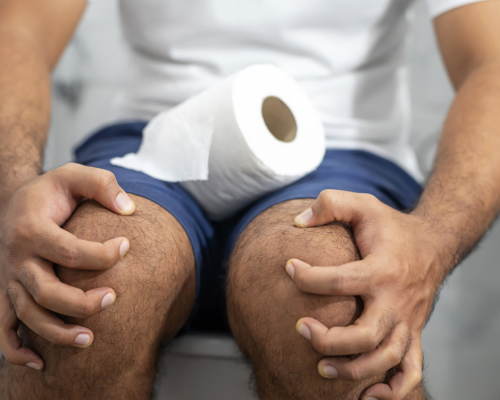
Constipation often results from slow stool movement through the digestive tract, influenced by factors such as low water intake, dietary changes, reduced physical activity, and certain medications. While infrequent, bowel obstruction can present a serious but uncommon cause.

Diagnosis and Evaluation
A thorough diagnosis relies on patient history and physical examination. When uncertainty persists, additional tests, including sigmoidoscopy or colonoscopy, may be recommended. Tests like abdominal x-rays, capsule transit studies, anorectal manometry, and defecography might be employed to discern the root cause.
Treatment and Medications
Addressing hard stool involves techniques such as tap water enemas, manual stool removal, and cleansing solutions. Subsequent steps include dietary adjustments, fiber supplementation, and occasional laxative use. Bulk-forming agents and osmotic agents play crucial roles, promoting softer stools and facilitating easier passage. Stimulant laxatives, though effective, are advised for short-term use and under supervision.
Prescription medications that enhance fluid secretion into the intestine are reserved for cases unresponsive to over-the-counter laxatives. In instances where constipation stems from opiate use, medications countering opiate effects on the gut may offer relief. Problems related to pelvic floor and anorectal muscle coordination may necessitate biofeedback or muscle retraining exercises, accessible through specialized centers and doctor referrals.
Prevention
Combining adequate fluid intake, regular exercise, and a high-fiber diet proves beneficial in preventing constipation. Laxatives, particularly stimulant laxatives, can complement preventive measures, especially when faced with potentially constipating drugs.
In conclusion, understanding constipation involves navigating its multifaceted aspects, from defining symptoms to tailored treatment strategies. By embracing a holistic approach, individuals can effectively manage and prevent this common gastrointestinal concern. For further insights, consult a healthcare provider or book a visit with us.