

Biliary Obstruction
WHAT IS Biliary obstruction?
Biliary obstruction stands as a complex facet within gastroenterology, demanding a meticulous examination to grasp its nuances. This blog post delves into the intricacies of biliary obstruction, elucidating its origins, clinical manifestations, diagnostic protocols, and therapeutic interventions.
Anatomical Foundations of Biliary Obstruction
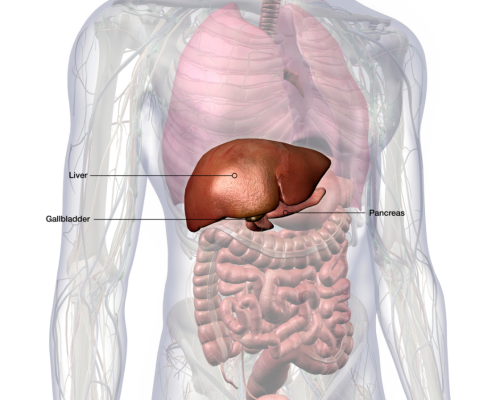
Understanding biliary obstruction mandates a comprehensive grasp of the anatomical structures involved. The biliary system, encompassing the liver, gallbladder, and bile ducts, is essential for bile transport and digestion. Obstruction can occur at various points within this system, leading to a cascade of clinical implications.
Causes and Contributors to Biliary Obstruction
A myriad of factors can precipitate biliary obstruction. Common culprits include gallstones, tumors, strictures, and inflammatory conditions. Recognizing the diverse etiologies is pivotal for accurate diagnosis and tailoring appropriate interventions.

Clinical Manifestations
Biliary obstruction manifests through a spectrum of clinical symptoms. Patients often present with jaundice, dark urine, pale stools, and abdominal pain. A meticulous assessment of these manifestations, coupled with a comprehensive patient history, aids in narrowing down the underlying cause.
Diagnostic Modalities for Precise Evaluation
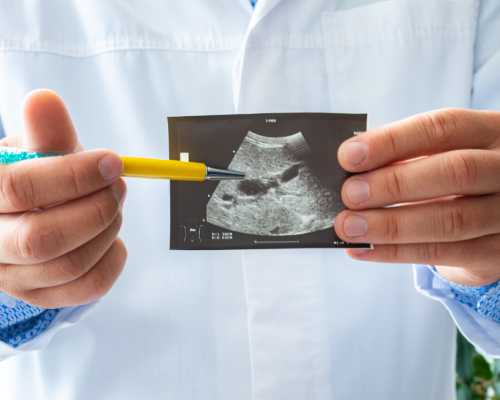
Accurate diagnosis is fundamental in the management of biliary obstruction. Advanced imaging techniques, such as MRI, CT scans, and endoscopic procedures like ERCP, facilitate precise visualization of the biliary system. Understanding the extent and nature of the obstruction informs subsequent therapeutic decisions.
Therapeutic Approaches: From Conservative Measures to Invasive Interventions
The management of biliary obstruction necessitates a tailored approach. While conservative measures such as medical therapies and dietary modifications may suffice in certain cases, more severe obstructions often warrant invasive interventions. Endoscopic stenting, balloon dilation, and surgical procedures constitute the armamentarium employed by gastroenterologists to alleviate obstruction and restore biliary flow.
In conclusion, biliary obstruction remains a multifaceted challenge in gastroenterology, demanding a systematic approach to unravel its complexities. Through an exploration of its anatomical foundations, causes, clinical manifestations, diagnostic methodologies, and therapeutic strategies, this blog post aims to equip both healthcare professionals and patients with a comprehensive understanding of this intricate gastroenterological concern. As we navigate the evolving landscape of gastrointestinal medicine, a nuanced comprehension of biliary obstruction becomes imperative for effective patient care.