
Esophageal Dilation
Introduction to Esophageal Dilation
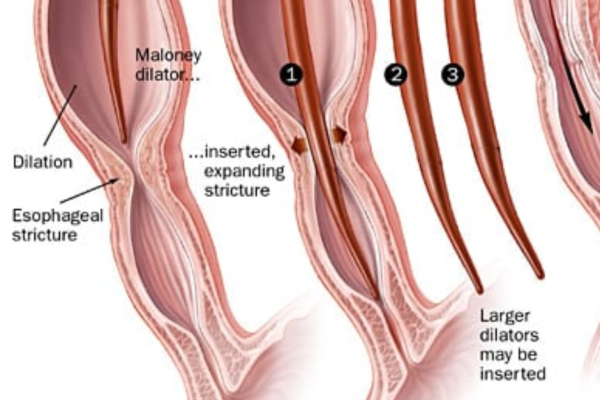
Esophageal dilation is a medical procedure that aims to address difficulties in swallowing and other esophageal issues. This therapeutic intervention involves the gentle stretching of the esophagus to alleviate narrow passages and promote better functionality.

Indications for Esophageal Dilation
Esophageal dilation is commonly recommended for patients experiencing dysphagia, a condition marked by difficulty swallowing. Other indications include the presence of esophageal strictures, rings, or narrowing, which can impede the smooth passage of food and liquids. Understanding these indications is crucial for patients to grasp why their healthcare provider may recommend this procedure.
The Procedure
During esophageal dilation, a specialized dilator is carefully introduced into the esophagus under endoscopic guidance. The dilator is then gently inflated, causing controlled stretching of the narrowed areas. This procedure is typically performed on an outpatient basis, with patients returning home on the same day. A comprehensive understanding of the process empowers patients to approach the procedure with a sense of preparedness.
Preparing for Esophageal Dilation
Effective preparation is paramount to ensure the success and safety of the esophageal dilation procedure. Patients are advised to fast for a specified duration before the procedure to minimize the risk of complications. Additionally, it is crucial to inform the healthcare team about any medications, allergies, or existing medical conditions. Adhering to these preparatory measures contributes to a smoother and more efficient dilation process.
Potential Risks and Aftercare
While esophageal dilation is generally considered safe, it is essential for patients to be aware of potential risks and complications. These may include mild discomfort, bleeding, or perforation of the esophagus in rare cases. Following the procedure, patients may experience a sore throat or mild chest discomfort, which typically resolves within a short period. Understanding these aspects aids patients in recognizing normal post-procedural sensations versus signs that warrant medical attention.
In conclusion, esophageal dilation is a well-established procedure designed to enhance the quality of life for individuals grappling with esophageal issues. This guide offers valuable insights into the purpose of the procedure, its indications, the actual process, and crucial steps for preparation and aftercare. Armed with this knowledge, patients can approach esophageal dilation with confidence, actively participating in their healthcare journey.