

Bay Area GI Care

Upper Endoscopy/ EGD

Upper GI Endoscopy (EGD)

Upper gastrointestinal endoscopy, or EGD, is a diagnostic procedure used by healthcare professionals to investigate symptoms like heartburn or abdominal pain. Also known as esophagogastroduodenoscopy, this overview covers its purpose, conditions diagnosed, procedural aspects, and possible alternatives.

13

Exploring the Upper Digestive Tract

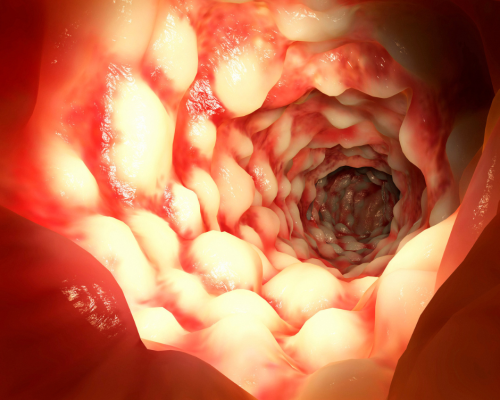
An EGD utilizes an endoscope, a flexible tube equipped with a camera and light, to meticulously examine the upper digestive tract. This includes the esophagus, stomach, and the upper part of the small intestine known as the duodenum. Through this procedure, physicians obtain visual insights into the digestive tract, capturing detailed images and, if necessary, conducting biopsies of abnormal tissue.
Indications for an EGD

The necessity for an EGD arises in cases where patients exhibit symptoms indicative of upper digestive tract disorders. These may include bleeding, heartburn, nausea, vomiting, abdominal pain, trouble swallowing, unexplained weight loss, and more. Conditions diagnosed through EGD encompass bacterial infections, celiac disease, Crohn’s disease, GERD, esophagitis, gastritis, duodenitis, narrowing or blockage of the esophagus, and both benign and malignant tumors.

Canvas Auni (22)
2

Utilizing EGD for Treatment

Beyond diagnosis, EGD is a versatile tool for treating various conditions. Physicians may employ it to assess complications, control bleeding, monitor treatment effectiveness, open narrowed areas, and remove growths, tumors, or foreign objects. The adaptability of EGD makes it a valuable asset in managing a spectrum of upper digestive tract disorders.

While an EGD is not inherently painful, it can cause discomfort. To mitigate this, patients typically receive sedatives administered through an intravenous line. The choice of sedative and its administration method is tailored to individual needs, ensuring a comfortable and pain-free experience. Adequate preparation, including fasting and medication adjustments, is crucial for the success of the procedure.

Procedural Steps and Post-Procedure Care

The day of the procedure involves meticulous preparation, including changes into a hospital gown, vital sign measurements, IV placement, and a review of medical history. During the EGD, patients may undergo numbing of the throat, receive sedation, and assume a left-side position as the endoscope navigates the digestive tract. Post-procedure, patients are monitored in a recovery area, receiving instructions on diet, activities, and medications. Some cases may require overnight hospital stays, while others permit return home with a designated driver.

BE_Header

Considering Risks and Alternatives

While EGD is generally safe, like any medical procedure, it carries some rare risks, including tears, bleeding, and infection. Potential reactions to sedatives are also considered. Alternatives to EGD include diagnostic imaging tests such as CT scans or upper GI series, offering non-invasive options with distinct considerations.

In conclusion, upper GI endoscopy (EGD) stands as a pivotal diagnostic and therapeutic tool in the realm of gastroenterology. Its ability to provide precise insights into the upper digestive tract, coupled with its adaptability in treatment procedures, positions EGD as a cornerstone in the comprehensive care of patients with upper digestive tract disorders. Understanding its nuances, from preparation to potential alternatives, empowers patients and healthcare providers alike in making informed decisions regarding gastrointestinal health.