
Bay Area GI Care

ERCP

endoscopic retrograde cholangiopancreatography

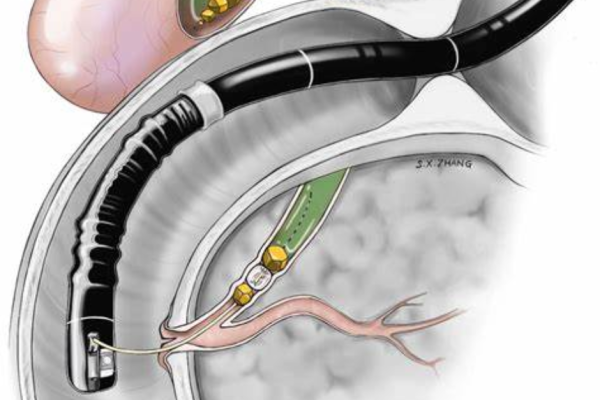
A diagnostic and therapeutic procedure employed by specialized gastroenterologists and surgeons to address issues related to the bile ducts, pancreatic ducts, and gallbladder. These vital anatomical structures play crucial roles in the drainage of bile and pancreatic juice, ultimately impacting digestive processes.

11

Why is ERCP Performed?

ERCP serves various purposes, with the most common being the identification and removal of gallstones obstructing the bile duct. Additionally, the procedure is utilized to investigate the causes of acute pancreatitis, alleviate duct blockages due to tumors, and treat leaks in the bile or pancreas ducts. Initial imaging tests, such as ultrasound, MRCP, or Endoscopic Ultrasound, usually precede ERCP to ensure a safer diagnostic approach.

How is ERCP Performed?

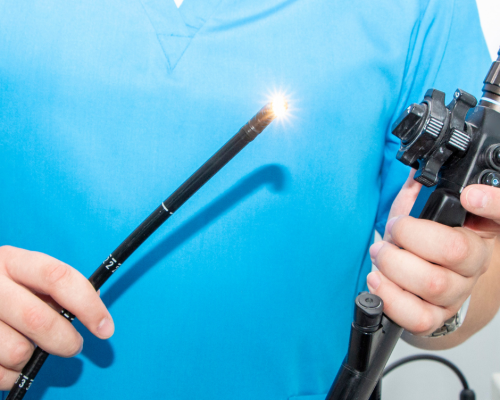
Conducted by trained gastroenterologists or surgeons, ERCP involves the use of an endoscope—a flexible tube with a camera and light. Administered under anesthesia, the endoscope traverses the mouth, esophagus, stomach, reaching the duodenum. The procedure allows for the introduction of wires, the application of treatments, and the injection of x-ray dye to visualize the ducts, facilitating decision-making on the course of action.

12
13

How to Prepare for ERCP

Preparation involves fasting for 6-8 hours before the procedure to ensure an empty stomach for optimal visibility. Discussion with your doctor about medications is essential, especially concerning blood-thinning agents and diabetes management. It’s crucial to disclose conditions like obstructive sleep apnea, lung issues, or heart conditions, as they may influence the anesthetic approach. An adult companion is required post-procedure due to the use of sedatives.

What to Expect in the Endoscopy Suite

Upon arrival at the endoscopy unit, a review of medical history, IV line insertion, and discussions with your doctor precede the procedure. You may need a breathing tube for general anesthesia. The ERCP room accommodates specific positioning for x-rays, and after the procedure, patients move to the recovery room for monitoring. Mild discomfort, sore throat, and grogginess are common post-ERCP experiences.

BE_Header

Possible Complications of ERCP

While generally safe, ERCP carries risks, including bleeding, infection, pancreatitis, perforation, aspiration, and reactions to anesthesia. Symptoms such as fever, severe abdominal pain, vomiting, or difficulty swallowing should prompt immediate communication with your doctor. Contact your doctor promptly if you experience symptoms such as fever, severe abdominal pain, vomiting, difficulty swallowing, abdominal bloating, bleeding, or any adverse reactions to medications. If biopsies were conducted, adhere to follow-up instructions to discuss the results.

In conclusion, ERCP is a valuable tool in diagnosing and treating gastrointestinal issues, but awareness of potential complications and diligent post-procedural care are crucial for a successful outcome. Always stay informed and communicate openly with your healthcare team.