
Bay Area GI Care

Push Enteroscopy

Understanding Push Enteroscopy

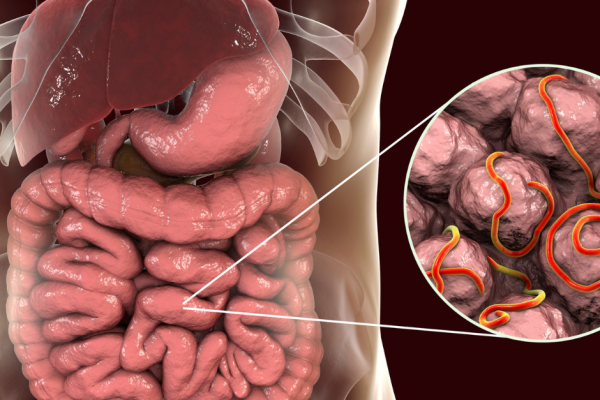
A focused procedure using a flexible tube to examine the small intestine for issues like bleeding or tumors. It provides a detailed view beyond traditional endoscopy.

15

Introduction to Push Enteroscopy

Push enteroscopy is a diagnostic procedure employed by gastroenterologists to examine the small intestine, a region not easily accessible through traditional endoscopy. This method plays a crucial role in identifying and diagnosing gastrointestinal issues such as bleeding, tumors, or inflammation within the small bowel.

Indications for Push Enteroscopy

Common reasons for recommending push enteroscopy include unexplained gastrointestinal bleeding, suspected small intestine abnormalities, or the need for tissue samples for further analysis. By directly visualizing the small intestine, gastroenterologists can provide accurate diagnoses and tailored treatment plans.

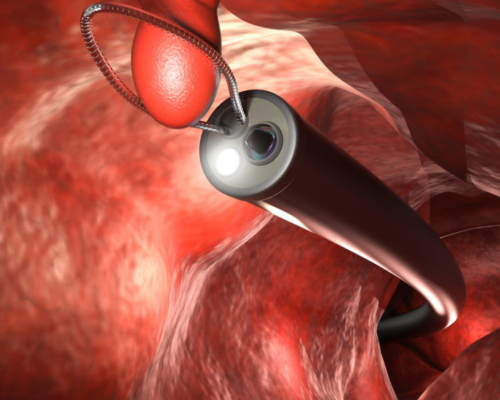
During a push enteroscopy, a long, flexible tube with a light and camera at its tip, known as an enteroscope, is used to visualize the small intestine. This tube is gently guided through the upper gastrointestinal tract, enabling the physician to thoroughly inspect the lining of the small bowel.

17
16

Patient Preparation for Push Enteroscopy

To ensure a successful push enteroscopy, proper patient preparation is essential. Your healthcare provider will provide specific instructions, but typical preparations may include fasting for a certain period before the procedure. Clear communication with your healthcare team is crucial to understanding and following these guidelines accurately.

Beyond physical preparation, it’s essential to mentally and emotionally prepare for the procedure. Feel free to discuss any concerns or anxieties with your healthcare team beforehand. Understanding the purpose and process of push enteroscopy can alleviate uncertainties and contribute to a smoother experience.


In conclusion, push enteroscopy is a valuable tool in the diagnostic arsenal of gastroenterologists. By comprehending the procedure’s mechanics, indications, and adequately preparing for it, patients can actively participate in their healthcare journey, contributing to a more effective and efficient diagnostic process. Always consult with your healthcare provider for personalized advice tailored to your specific medical condition and needs.