

Eosinophilic Esophagitis
Understanding Eosinophilic Esophagitis
Eosinophilic esophagitis (EoE) is an allergic condition characterized by inflammation in the esophagus, impacting individuals with specific allergies, asthma, or eczema. This chronic condition is increasingly prevalent, particularly among young men, necessitating continuous management to alleviate symptoms.
Eosinophilic Esophagitis: An In-Depth Overview
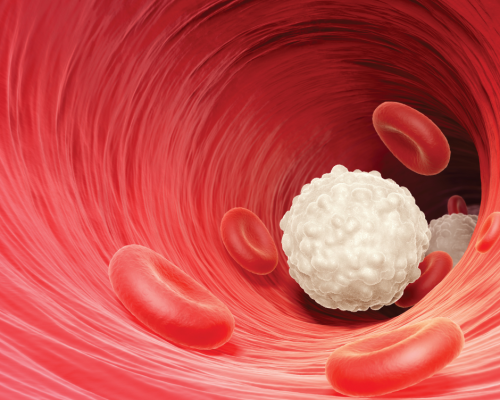
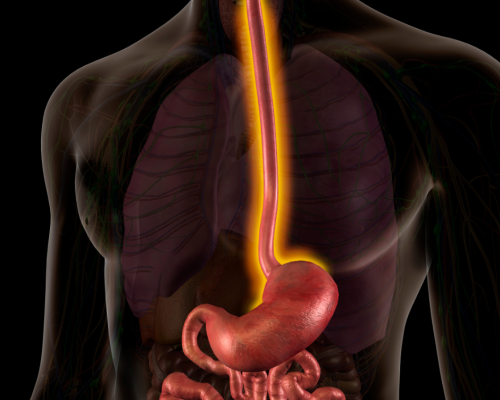
Eosinophilic esophagitis, or EoE, manifests as elevated levels of eosinophils—white blood cells—in the esophageal tissue. This heightened presence results in inflammation, leading to symptoms such as chest pain, heartburn, difficulty swallowing, and food impaction.
Outlook and Management
While there is no cure for EoE, proper treatment allows individuals to function well and maintain their quality of life. The focus lies on symptom management, acknowledging the chronic nature of the condition.

Recognizing Signs and Symptoms
Symptoms vary across age groups, encompassing difficulty feeding and poor growth in infants, abdominal pain and swallowing difficulties in children, and heartburn and chest pain in adults. Recognizing these signs is crucial for timely intervention.
Diagnosis and Risk Factors
EoE diagnosis involves a thorough evaluation, starting with a patient’s medical history and symptoms. Upper endoscopy, accompanied by biopsy, confirms the presence of eosinophils and rules out other conditions. Risk factors, including gender, allergies, asthma, and family history, increase susceptibility.
Treatment Approaches
Treatment for EoE revolves around dietary changes and medications. Elimination and elemental diets aid in identifying allergens, while acid-blocking medications and topical corticosteroids manage inflammation. Esophageal dilation is an option for those with strictures. Ongoing research explores newer medications targeting the immune system.
Individuals with Eosinophilic Esophagitis can lead fulfilling lives with proper management. Regular consultation with a healthcare professional is essential for accurate diagnosis, personalized treatment plans, and minimizing the risk of complications. Understanding the intricacies of EoE empowers individuals to proactively address their health concerns and seek timely medical intervention.